About Prop H
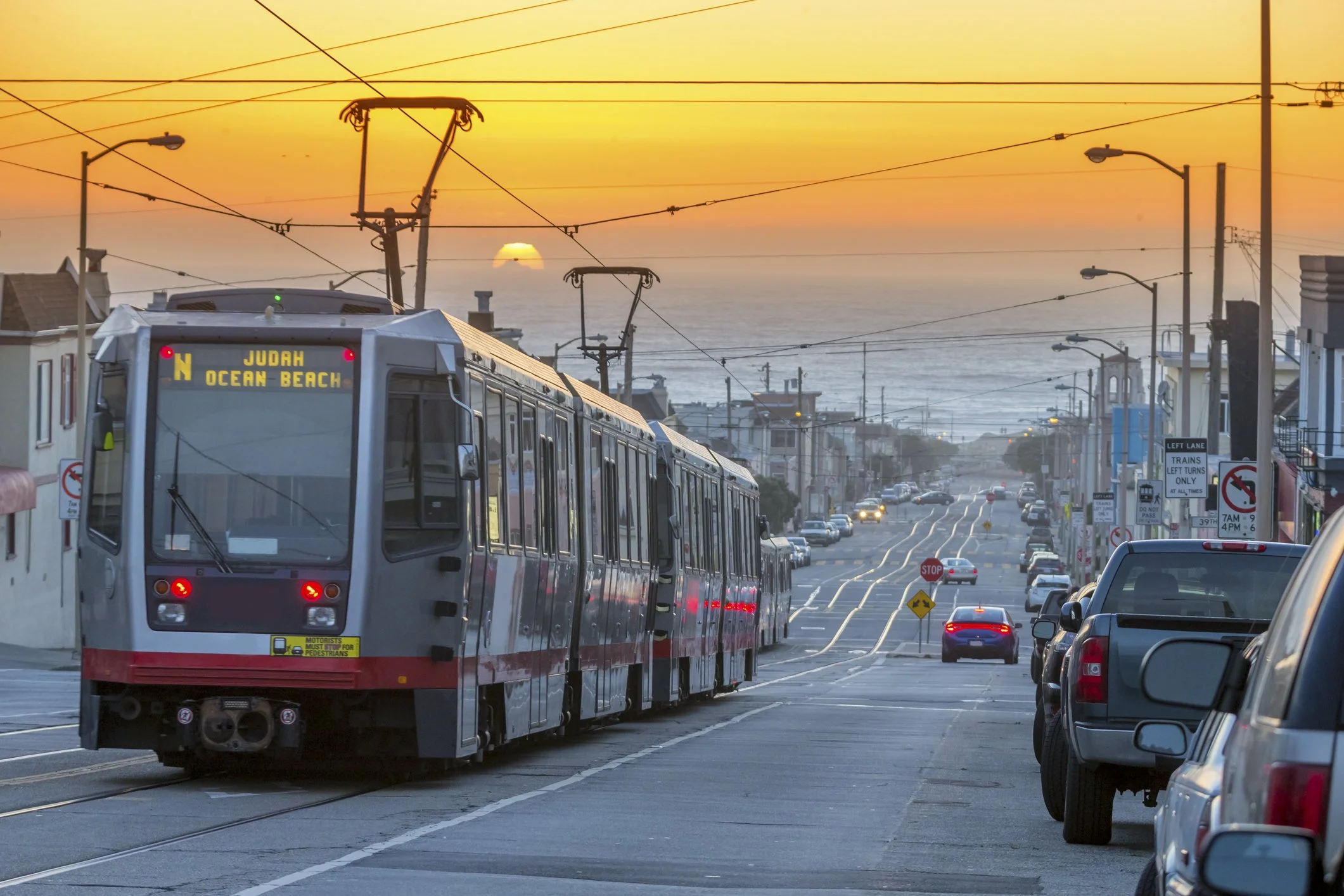
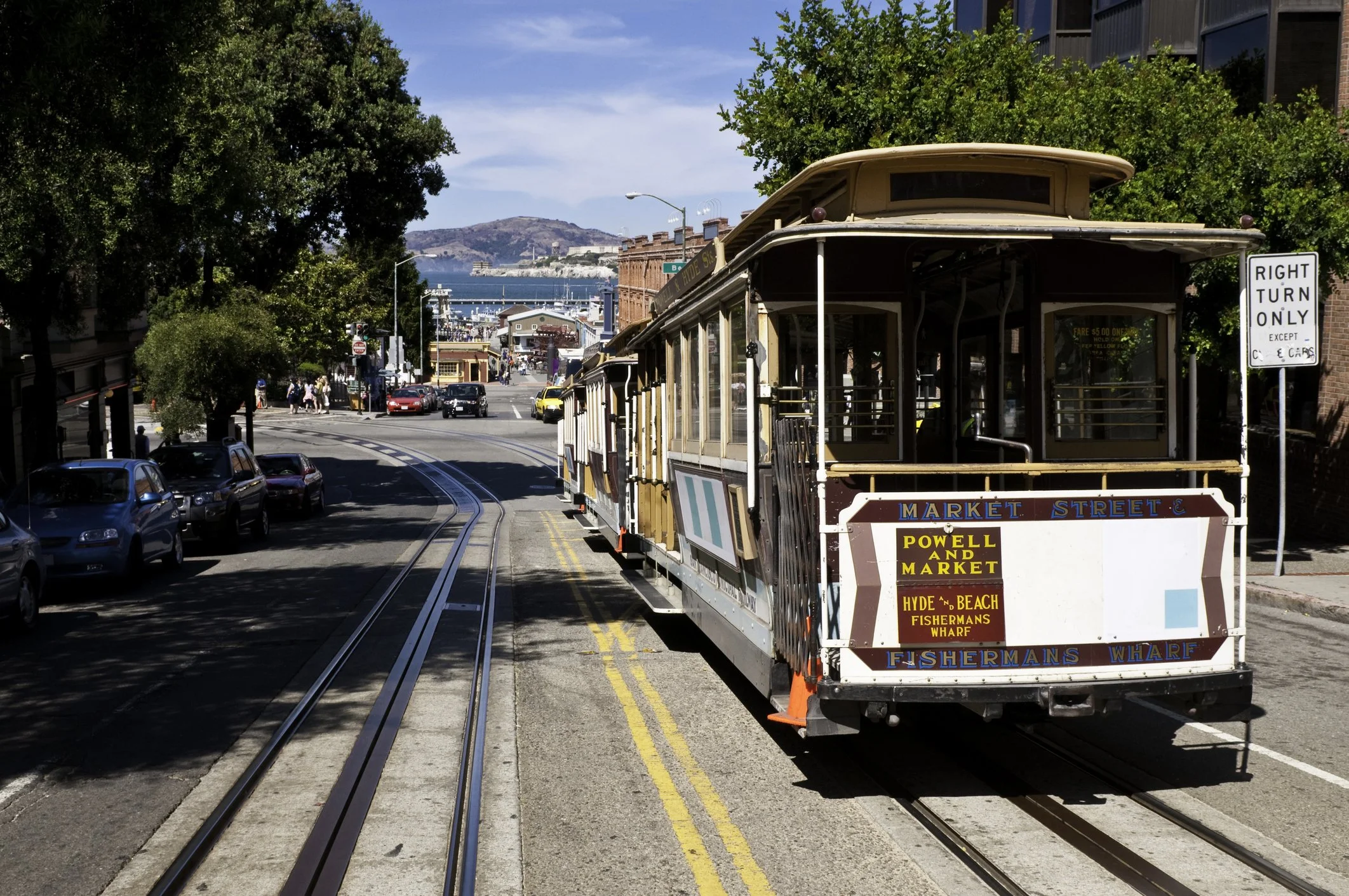
San Francisco’s public transit system is facing a once-in-a-generation funding crisis. After years of pandemic disruption and lost revenue, Muni is confronting a $307 million annual deficit—a shortfall so large it rivals the combined budgets of the city’s parks and library systems.
City leaders are cutting waste to reduce the deficit by eliminating hundreds of unnecessary management positions and vacant positions. But without a stable, dedicated funding source, Muni service will be severely cut, resulting in up to 20 bus routes canceled and doubled wait times. These cuts will reverse our city’s economic recovery, increase traffic, and make daily life harder for working families.
San Francisco already faces the third-worst traffic congestion of any U.S. city. Major Muni cuts would push more people into cars, worsening gridlock, commute times, and street safety for transit riders, motorists, and cyclists alike.
The Stronger Muni for All campaign keeps Muni safe, reliable, and affordable. It ensures single family residences pay the least while larger homes and commercial buildings pay more.
What’s at Stake
Impact
~500,000
riders every weekday, 350,000 on weekends
40%
of San Franciscans travel downtown for work
SFUSD students rely on Muni every school day
14,000
of all Bay Area transit trips are delivered by Muni
Over 50%
Fair and Proportional: The Stronger Muni for All Measure (Prop H) would establish a fair, tiered parcel tax on commercial and residential properties. Under the proposal, 95% of single-family residences would pay a flat $129 annually, with larger homes subject to progressively higher rates. The largest commercial properties would pay up to $400,000 annually, ensuring the biggest properties contribute the most.
Benefits:
✔ Significantly reduces traffic congestion
✔ Protects downtown and citywide economic recovery
✔ Builds on proven accountability reforms already underway
Accountability: Revenue from the measure would be subject to strict oversight and accountability requirements, including financial efficiency reviews and a citizens oversight committee to ensure funds are spent on maintaining and improving Muni service.
Two Measures Needed: The Stronger Muni for All measure complements the regional Connect Bay Area transit measure—both of which are planned for the November 2026 ballot. Combined, the two will protect public transit from devastating cuts and ensure transit remains affordable and reliable.
The Solution